


Amsterdam is a city that begs to be explored at street level. Its museums and canals often get top billing, but shopping streets and local markets provide a different view of the city — one that has to do with neighbourhood life, creativity, fashion, and everyday business. Ranging from chic luxury arteries near Museumplein to animated markets in Amsterdam West, shopping in Amsterdam is not simply a matter of purchasing stuff; it’s about getting into the sound and groove of the city.
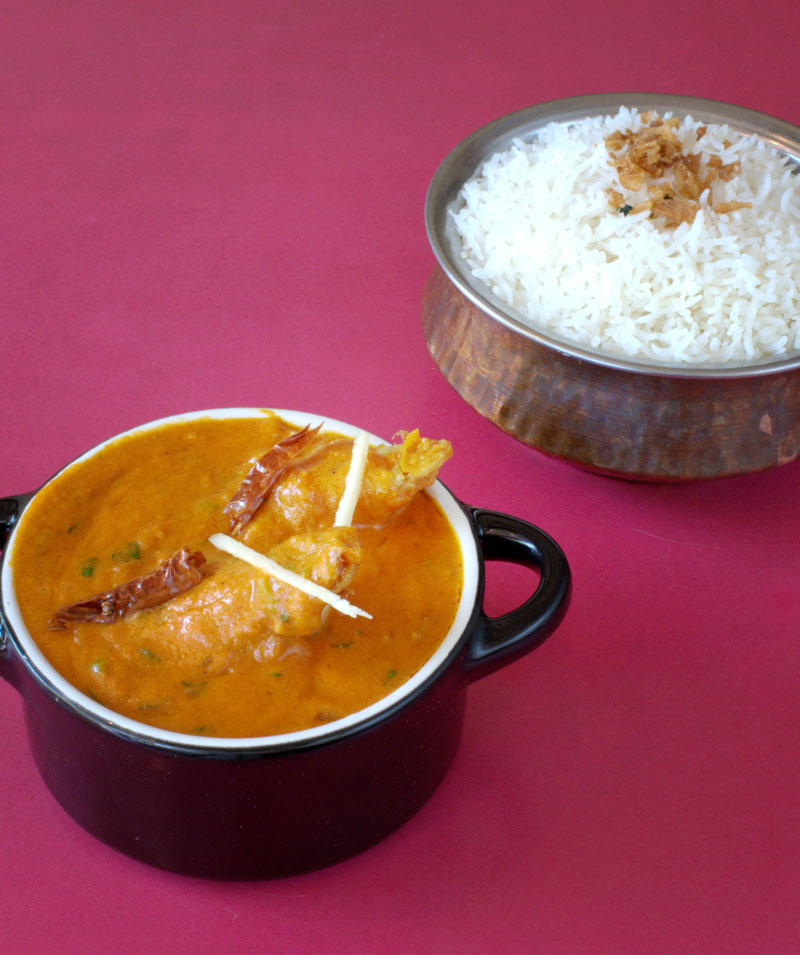
A shopping trip through Amsterdam can run the gamut in mood over a full day. Mornings are usually calm and sophisticated, afternoons lively and vibrant, evenings softly reflective. Strolling the shopping streets, sitting at cafés, perusing market stands, and exploring corners of neighbourhoods evolves into a yearning for slowness. Just as shopping bags start to feel heavy and feet grow tired, the city gently beckons you to rest — sit, relax, and eat something comforting.
The guide will lead you through a laid-back shopping day in Amsterdam, covering the most popular shopping streets and markets as you traverse from Museumplein and De Jordaan to the historic city centre, all the way to the up-and-coming Amsterdam West. The journey concludes close to Overtoom, where the pace slows and the day ends as it should: softly and slowly — typically with a seat at Annapurna Kitchen, where moving feels so absurd after spending an entire day on your feet.
Shopping as a Way to Experience Amsterdam
Shopping reflects the structure and pace of Amsterdam. Districts are often tightly knit, streets flow organically, and walking is frequently the most natural way to transition between areas. Instead of just being in massive indoor malls, retail is spread throughout the city. Shops house the bottom floor of residential buildings, markets lie next to cafés, and well-known shopping streets suddenly give way to quieter neighbourhoods. This arrangement makes shopping seem like an extension of everyday life, rather than a discrete activity.
There’s diversity to a shopping day in Amsterdam. Mornings can start on genteel streets with delicately arranged shops and sophisticated windows. Pedestrian streets and other busy areas tend to liven up as the day goes on, with movement, conversation, and street life filling the air. Up the line, streets that run parallel to the canal are more leisurely thoroughfares with independent boutiques and small specialty shops where browsing is encouraged. Local markets provide an extra texture of colour and texture, and low-key human interaction that connects the experience firmly to mundane city life.
The focus starts to change as the hours roll on. The shopping becomes less about buying and more about a glimpse at the city. Strolling between districts, you find gentle differences in architecture and feeling in the streets. Routes get improvised, detours seem appealing, and time seems less linear. The very act of moving through the city becomes as compelling as the shops themselves.
By evening, the rhythm softens. The energy is flagging, and the footsteps are slowing, and it’s really time for a break. Busy streets, but quiet ones that serve as a natural pause spot. Overtoom, specifically, is a good place to end up after a long day on foot. Here, the end of doing things and the beginning of not doing feels gradual: a comfortable place to let down at the end of the day.

Luxury and Style Near Museumplein
The shopping day usually starts tentatively at Museumplein, where sophistication and grace set a sedate tenor for the morning. This space is seemingly intentionally unhurried, a perfect place to begin the day with relaxed surfing and contemplation. There’s lots of space, the architecture is elegant, and there’s a slower pace, an ambience that can be savoured when everyone else is still slumbering.
P.C. Hooftstraat (Near Museumplein)
The most famous luxury shopping street of Amsterdam is P.C. Hooftstraat (near Museumplein). Designer boutiques, luxury fashion houses, and elegantly displayed storefronts are neatly lined up, featuring a steady march of the most fashionable names in the world. The broad pavements enable visitors to circulate without jostling and to often pause and contemplate the beautifully designed window displays.
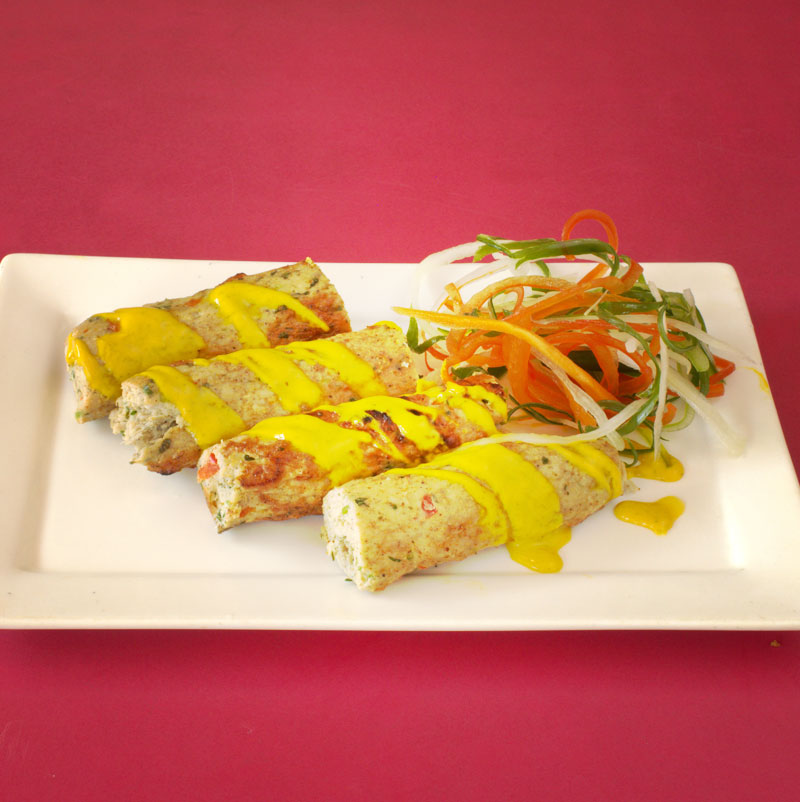
The best time to visit this street is in the morning. It is a peaceful setting with few tourists around and even less noise. It is easier to notice details like materials, craftsmanship, and the low-key elegance of the space. Shopping here can be less transactional, more observational. Without setting foot in the stores, strolling down P.C. Hooftstraat already gives you an impression of the city’s polished side and how it values style over all else.
Cornelis Schuytstraat
A short walk away, Cornelis Schuytstraat offers a less boisterous but equally fashionable alternative. This street has a more local feel, and independent boutiques, specialty shops, and neighbourhood cafes are what define it. It’s a much, much slower pace, and the feeling is more homey than stuffy.
The Cornelis Schuytstraat runs seamlessly into the neighbouring residential quarters with a short sneak peek of everyday Amsterdam living. Customers tend to linger here — for coffee, to look without seeking, or sometimes just the city-block’s-eyeful of relaxed pace. There is no urgency to hurry, and time seems more unrushed.
P.C. Hooftstraat and Cornelis Schuytstraat 1258 A chic, well-balanced way to start your day close to Museumplein. One provides luxury and visual impact, the other warmth and local character. Passing between them establishes a gentle rhythm that flows smoothly to the remainder of a full day of shopping and sightseeing in Amsterdam.
Amsterdam’s Most Famous Shopping Street
The speed of the city itself quickens as the day goes on, and nowhere is this more apparent than on Amsterdam's premier shopping street. The midday energy ramps, foot traffic picks up, and shopping goes from laid-back browsing to an animated affair of movement and sound.
Kalverstraat (Shopping)
Kalverstraat ( shopping ) is one of the busiest and most famous shopping streets in Amsterdam. Completely pedestrianized and home to international chains, it’s visited by a constant flow of local shoppers and tourists all day. The street is a sort of retail highway, linking landmarks and moving a continuous stream of people.
There’s an immediacy, dynamism even to walking down Kalverstraat. Shops are often simply open to the street, inviting one-off browsing more spontaneously. Street performers do much to heighten the vibe, while voices, footsteps, and Lo-Fi music merge into a single, amorphous background noise. The mixture of the crowd — open to shoppers and tourists, families and commuters — adds to the sense that this is a place where multiple pieces of the city intersect.
Midday is the best time to see Kalverstraat in full swing. This is when the street comes most alive, with fewer barriers blocking its ears and the whole character of the place on offer. The rapid-fire activity can be stimulating, particularly after a quiet morning in and around Museumplein. Time has a way of rushing by in here, thanks to all the visual and social input.
Ravaged and full of people, Kalverstraat is still a must-visit when shopping. It speaks to Amsterdam’s identity as an international city, but also local habits and daily movement. But as denizens get to know this hip hood, many long for mellow streets and fewer tourists. This transition provides a nice balance and helps the shopping day pass at a more leisurely pace after braving the crowds of Kalverstraat.
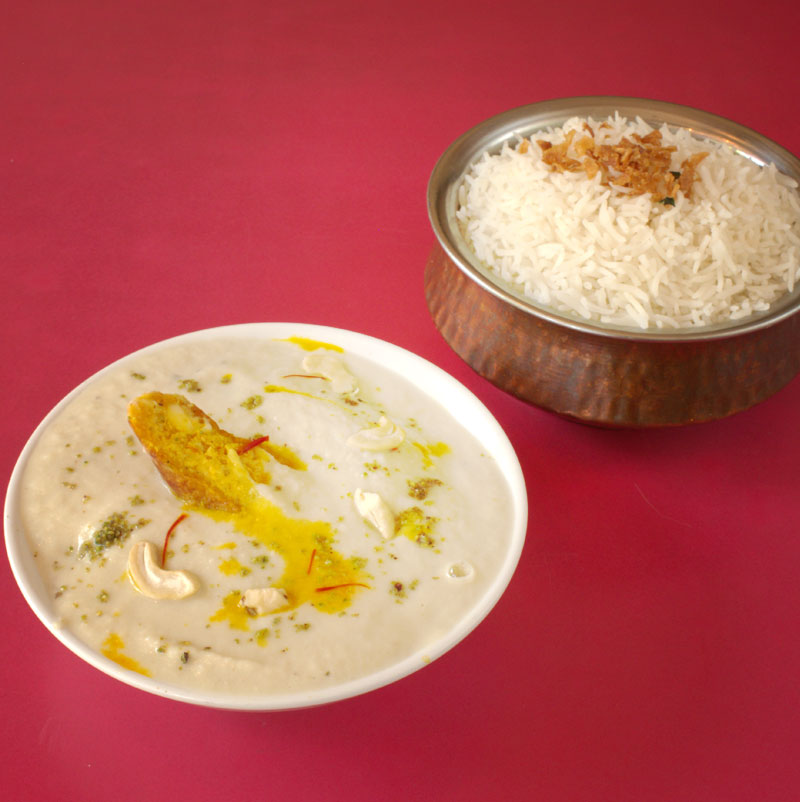
Boutique Finds and Independent Stores
Settling on the main shopping artery, Amsterdam unveils a most cherished retail area—narrow streets formed by character, creativity, and individuality. This part of the city seems deliberately slower, a contrast with the more bustling shopping zones and one that lets visitors interact in less-detached ways with where they are.
Negen Straatjes (Nine Streets Centroid)
The Negen Straatjes (Nine Streets) centroid sets a whole new shopping pace. Squeezed between the city’s historic canals, this pocket district takes pride in its independent boutiques, vintage clothing stores, concept shops and characterful coffeehouses. Every narrow street seems personal, as if encouraging the visitor to dawdle. There is no single focal point; rather, readers' interest moves on, gradually, from one shop-front to another.
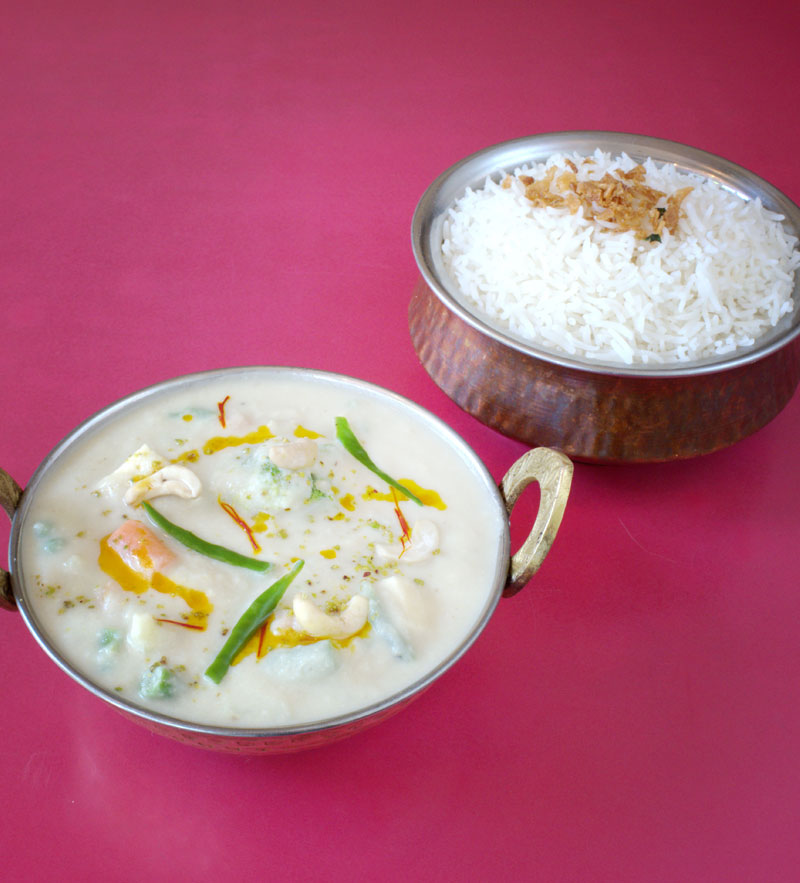
Shopping is a little less structured here, and calls for some exploration. Instead of shopping, they tend to browse with interest, have a wander inside small stores that display distinctive clothes, handmade accessories, special items and home items in great detail. Many of the shops are slightly more personal in feel, a nod to the sensibility of the owners that gives Parisian retail its authentic and distinctly local spirit.
The canals that border these streets are an additional filter. Reflections on the water, historic facades and bridges offer natural respite between shops. Just walking here is entertaining visually without even going inside a single store. It’s a frequent occasion for photo stops, standing alongside the water or just taking in the day-to-day life of a city built around canals.
Negen Straatjes is particularly welcoming in the late morning. By now, the bustle of busier shopping streets begins to die down, and a quieter but equally bustling mood takes hold here. Chitchat drags on, cafés slowly fill up, and browsing goes from focused to frowsy. Shoppers typically move back and forth between browsing and sitting for brief interludes, going with the flow of the day.
And the thing that makes this area so appealing is how naturally shopping segues into strolling. No one's urging you to go fast or follow a direction. Detours feel sanctioned, and time becomes stretchy. In Negen Straatjes, shopping isn’t only an activity but a piece of experiencing the city itself — slowly, thoughtfully and with certainty of detail.
Local Markets and Everyday Amsterdam
No Amsterdam shopping day would be the same without a visit to its markets. They are portals into the mundane, letting one peer behind the façade of daily life in the city, beyond well-appointed shop fronts and carefully orchestrated retail streets. Markets inject colour, sound and movement into the day; they help to root shopping in routine and community around it.
Albert Cuyp Market (Approx)
Albert Cuypmarkt (about) mother of all markets; it is the biggest and most famous street market in town. Running through the middle of De Pijp, there’s a crowded and vibrant hodgepodge of stands offering fresh produce, street food, clothing, accessories and housewares. It’s a wide spread, the arrangement enabling readers to move through it unceasingly from one end to the other.
It’s bustling and real to walk through Albert Cuyp Market. Vendors shout out offers, smells from food stalls waft through the air, and conversations overlap in many languages. It is, despite its popularity, still a working market. Residents come here to shop for daily essentials, and tourists pass through at a leisurely rate, looking around, window shopping, stopping now and then for snacks or souvenirs.
The afternoon is the best time to attend. By that point, the market was in full swing, but the tempo felt measured instead of hurried. A quick drink or street food break provides a convenient resting point to refuel before the passage of time carries you into the rest of your day. The market operates effectively as a halfway point — festalising enough to invigorate, but grounded in ritual rather than spectacle.
Ten Katestraat (Near 50)
A quieter, more neighbourhood-oriented market experience is found closer to Amsterdam West, at Ten Katestraat (around 50). On a smaller scale and with a toned-down vibe, it has that close neighbourhood feel. It’s a market governed by familiarity, not volume.
Shopping here feels personal. Vendors often know regulars by name, conversations are short but heartfelt, and things move at a leisurely tempo. The stalls cater to day-to-day needs, and the experience feels practical and down-to-earth. This area seems to be particularly popular with guests who seek local markets without the crowds.
Ten Katestraat is a convenient transitional street to end up on at the end of a shopping day. But its quieter, more apathetic ambiance has a way of taking the air out of whatever energy you bring with you from busier streets and bigger markets. It’s the quieter brother of Amsterdam; shopping becomes part of daily life in a way that has developed homogeneously and peacefully as a mirror to the marketplace.

Neighbourhood Shopping Streets in Amsterdam West
As the day swings west, shopping streets take on a residential pulse. The clicking of high heels slows, and the storefronts are spaced farther apart: Retail is serving customers now who are shopping once a week or so. In Amsterdam West, shopping isn’t so much about thoroughfare streets as it is practical go-tos that locals frequent all around their respective neighbourhoods.
Ten Katestraat / Bilderdijkstraat Junction
Street-levelLIVELY STREETS Ten Katestraat / Bilderdijkstraat This is a bustling yet down-to-earth intersection of local stores, bakeries, cafés and services. This place shows so clearly how shopping in Amsterdam can easily merge with everyday life as opposed to something set apart that’s being done. People walk purposefully through, stopping for a moment for groceries, fresh bread or errands before moving on.
Everything about browsing here is so calm and highly functional. No one gets rushed along, but it's comfortable to make short stops. The types of businesses are a reflection of what the neighbourhood needs, and everything feels like it's evolving steadily, rather than quickly. This intersection presents a contrast to the busier energy of central shopping districts — one that invites you to slow down and watch everyday activities.
This section in particular kills mid to late afternoon. It’s buzzing but not overly so, making it a good spot to regroup before the day slows down.
De Clercqstraat / Kinkerstraat Junction
Around the corner, the De Clercqstraat / Kinkerstraat crossroads keeps this local feeling rolling. So too are the wider streets, which means you can walk easily yet feel a part of the community. Most of the shops here are patronized by locals, which also helps create a feeling that this neighbourhood is about sustaining life rather than serving visitors.
It’s grounding to walk through this intersection in the midafternoon. Unscripted conversations, routines and environments that are stable enough to be predictable. It’s a difficult balance, but there is just enough activity to make the streets feel alive yet not so much that it feels artificial.
Between them, these shopping streets in the neighbourhood reveal something of Amsterdam’s retail culture. Beneath well-known streets and markets, the city is formed by utilitarian thoroughfares where shopping serves community life. Wrapping the day in Amsterdam West gives a more low-key, authentic view of things — like how shopping feels organic to everyday life.
Connecting Shopping Routes and Easy Walks
Amsterdam’s shopping districts are connected by streets that flow one into another, making it easy and intuitive to move from one district to another — a pleasure, really. These connector lines perform in hushed notes, yet work to form the day. It eases the path between, say, bustling shopping streets and more peaceful residential neighbourhoods so that people experience London as one big whole rather than a series of shards.
Ceintuurbaan / De Lairessestraat
Ceintuurbaan / De Lairessestraat is a crucial link between areas like De Pijp, Oud-Zuid and Amsterdam West. As a shopping street, it is not really a destination in its own right, but as a connecting link between various parts of the city, it plays an essential role. The street has a slow, steady pace not defined by urgency — an ideal destination for people to walk between markets and boutiques and a bit farther out into quieter residential sections.
Strolling along this path helps string the morning and evening together. After a few hours in bustling shopping streets or local markets, Ceintuurbaan / De Lairessestraat offers some space for relaxation. The surroundings are realistic and down-to-earth, with everyday city life played out in a natural way. Shops, services and homes come and go without clamour for attention; cadged walkers can chuff along at an easy gait.
Finally, this route further emphasizes the walkability of Amsterdam. Distances are manageable, and the transition from one district to another is organic. It’s not like you enter a new atmosphere or something — it’s just more of the day feel.” And for shoppers, this smooth transition between retail experiences means they can easily switch from one to the next without feeling exhausted or disoriented.
As the day comes to an end, these linking streets ease access to nearby familiar neighbourhood spaces. The tempo slows, the chatter quiets, and the attention turns from exploration to repose. Getting to Overtoom by following such routes seems organic rather than premeditated.
The walk ends near Overtoom and very often, a well-earned break at Annapurna Kitchen. After hours on my feet between shopping streets, markets and neighbourhood connectors, this is where the switch from movement to stillness occurs without a hitch. That’s because streets like Ceintuurbaan / De Lairessestraat do more than join places — they help a shopping day in Amsterdam cohere, quietly and at ease.
From Shopping Bags to Overtoom – Time to Unwind
As the shopping bags pile up and energy levels gradually take a dip, attention begins to veer from discovery to comfort. After hours of walking and strolling, of taxing the senses with site after site and district after district, the body longs for a place where it comes to rest, where things begin to feel familiar again. This is where Overtoom comes in, and he is a perfect bridge from going from doing „stuff“ to resting.
Overtoom is also a street that connects multiple of Amsterdam’s big shopping areas and neighbourhoods. (P.C. Hooftstraat is just off Museumplein.) It’s a relatively benign, straight-shot walk from P.C. Hooftstraat and Cornelis Schuytstraat, one that has clear directions and solid sidewalks to support you. Tram links also make the trip easy, so shoppers can travel back with ease after a day spent on foot. From Kalverstraat (shopping) Negen Straatjes (Nine Streets centroid), as well as such routes ushering in visitors to this area, one can do so without jarring the atmosphere shift.
Once you’ve visited Albert Cuyp Market (nearish) and perused Ten Katestraat (around 50), trundling toward Overtoom feels natural rather than staged. The shift is gradual. Clogged thoroughfares give way to broader sidewalks, less foot traffic and a better mix of residential and commercial life. That shift in location makes energy levels drop, but without feeling too far outside of the city.
The layout of Overtoom adds to a calming feeling. The street is open and inviting, with just the right amount of bustle to keep it interesting without overwhelming. People slow down, conversation is muted, and the sound of commercial hubbub recedes.
It feels earned, sitting here at the end of the day. Less Smack in the middle of it, yet well located, Overtoom provides the right space for a relaxing body & soul. It’s a sharp but gentle transition — from movement to stillness, discovery to rest — that lets the day wind down smoothly and without hurry.
Why Shopping Days End Best with Good Food
Shopping is surprisingly physical. Walking, standing, browsing, and navigating crowds require energy. Mentally, making choices and absorbing new surroundings also adds to the day’s intensity.
After exploring:
- The elegance of P.C. Hooftstraat
- The buzz of Kalverstraat
- The creativity of Negen Straatjes
- The authenticity of Albert Cuyp Market
- The neighbourhood charm of Ten Katestraat and Kinkerstraat
A good meal feels deserved. It’s a chance to pause, reflect on purchases, share experiences, and let the day settle. Food becomes the bridge between movement and rest, bringing comfort after stimulation.
Choosing a place near Overtoom means this transition is effortless. There’s no need to rush across the city or navigate unfamiliar areas late in the evening. Everything feels close, familiar, and calm.
Ending the Day the Amsterdam Way
Amsterdam’s shopping streets and markets are a reflection of a city dedicated to equilibrium. From opulent boulevards to small community and side streets, each one helps create a richly-woven tapestry that's at once complete and comprehensive without ever feeling overwhelming.
A day that starts on P.C. Hooftstraat (close to Museumplein), continues through Kalverstraat (shopping), meanders down the Negen Straatjes (Nine Streets nexus), visits Albert Cuyp Market, and winds up near Ten Katestraat feels full but not harried. Each section contributes a unique atmosphere to the day as it transitions from sophisticated mornings through vibrant afternoons into more relaxed evenings.
That ends the journey, near Overtoom. It's a section of the city where one’s footsteps slow, shopping bags are at last put down, and the focus shifts from movement to discovery to comfort and rest. The setting feels familiar and unassuming; it’s easy to grow comfortable in the space after a long day of trudging around on foot.
This is where Annapurna Kitchen naturally slotted into the rhythm of my day. After hours of walking through streets and markets, sitting down here lets the experience sink in. Talk flows effortlessly, energy rebounds, and the transition from action to relaxation seems seamless.
Because in Amsterdam, the ideal shopping day doesn’t end with fatigue. And it finishes with unwinding, good conversation, and a great meal in an inviting section of the city—the full journey brought to a comfortable, satisfying conclusion.