


Amsterdam is a city of balance. It knows to be creative without devolving into chaos, stylish without feeling cool and distant, colorful and lively without wearing you out. That balance is particularly evident in its hotel scene. Throughout the city — especially in Vondelpark, Amsterdam West, and Overtoom — hotels are not merely a place to sleep. They choreograph a visitor’s day, determining the way mornings start and evenings naturally settle.
From design-led boutiques to mod comfort hotels and eco-conscious crash pads, it’s in its trendy hotels that Amsterdam comes through in character. They’re part of their neighborhoods, not separate. Guests walk out into streets designed for promenading, discovery, and easy transitions. A day in and around these hotels has a relaxed rhythm — peaceful mornings, vibrant afternoons, and quiet evenings.

The neighborhoods around these hotels echo that rhythm. Tree-lined streets and local cafés, with residential pockets, make for a welcoming rather than performing atmosphere. Movement feels intuitive. No need to dash from attraction to attraction or fill every moment with a preplanned schedule. Instead, the city subtly nudges its visitors from doing to being.
When the evening comes on, many of our callers are drawn to Overtoom. The space is somehow intimate and laid-back — it’s a nice place to end the day. After visiting galleries, neighborhoods, and shopping streets, the native urge turns from doing to nesting. This is when a peaceful dinner becomes part of the show, not just an afterthought.
It's a natural progression to this rhythm, for when the night is coming to a close, concluding your evening at Annapurna Kitchen makes so much sense. Following a day full of conscious hotel stays and walkable neighborhoods, the experience of sitting down to an easygoing yet comforting meal makes for a perfect landing. The tempo slows, the talk gets deeper, and the city recedes. So, this is how the puzzle of Amsterdam’s hotels, streets, and dining culture fit together — to make a stay that feels balanced, intentional, and complete.
Where Style Meets Comfort in Amsterdam
Things in Amsterdam never seem to move too fast. The city admonishes visitors to travel at human speed, to notice what lies between points of interest, and to treasure atmosphere as much as individual sights. This comfort is not accidental. It is woven into the design of the city, its streets, and how neighborhoods work. Hotels, often quietly and invisibly, provide both the rhythm of such places and a pattern for how days start and then ease themselves to an end.
A lot of hotels in Amsterdam are located in walkable areas, not isolated ruttes. These places are mellow in the mornings, shaped by local rhythms rather than tourist traffic. Streets ease into wakefulness, cafés open up without urgency, and the city has an approachable feel. To begin the day in this atmosphere is an early indication of symmetry rather than urgency; it makes exploration seem welcoming, not pressing.
As the day wears on, the surrounding neighborhoods come alive, but not to an overwhelming degree. There’s movement, conversation, and creative energy in the afternoons, but it doesn’t reach such a grand scale. The streets are alive but not too busy, and the transition from one part of town to another is more seamless. This means that people can get around without feeling worn out, and can seamlessly travel from a cultural area to a shopping street to residential neighborhoods.
Where Amsterdam succeeds is in spreading interest around the city. Instead of coalescing all identity into the historic core, it radiates character outward. Nearby Vondelpark and Amsterdam West is where this concept is taken to the extreme. They provide a gateway to top attractions while still having a more local feel. Tree-filled streets, neighborhood cafés, and everyday living also mitigate the experience, providing a balance to busier areas.
They're also perfect anchor points for a day of walking. They are near enough to those city highlights to feel connected, but far enough removed to enjoy a refuge from the crowds. In the evenings, it only makes sense to return to these neighborhoods. The beat slows, the streets are more peaceful, the vibe more intimate.
In this way, Amsterdam offers you a trip that’s not about force but stroke. Hotels are woven into that ecosystem: not just sites of sleep but of launch and gathering, within a broader beat. The effect is a day that feels full — not because you saw everything, but because you experienced everything at its ideal pace.
Vondelpark Area: Calm, Green, and Design-Focused
Hotels in and around Vondelpark are some of the nicest places to stay in Amsterdam, especially for people that like to be at peace without being too far away from town. This region presents a rare equilibrium: leafy streets, measured pace, and instant access to one of Amsterdam’s most vital green spaces. The hotels here are defined by intelligent design, natural quiet and a way of life that pursues ease over excess.
There’s a neighborhood vibe at work in Conscious Hotel Vondelpark. Renowned for its sustainability ethos and laid-back vibe, it has been described as an establishment welcoming individuals who appreciate mindfulness, simplicity and comfort. Mornings here feel naturally unhurried. Guests step out into quiet streets or can walk right to Vondelpark where the day starts with ease — no crowds, no noise, no pressure. The experience seems by design, an accommodation to the tempo of the city.

Close by, Dutch Design Hotel Vondelpark provides a creative lift to the neighborhood. Its interiors are inspired by Dutch designers, reflecting Amsterdam’s deep ties to art and design. The hotel feels expressive but unimposing. To stay here is to be within the city’s creative culture, not outside of it. The vibe is inquisitive and comfortable, suitable for aesthetically-minded globetrotters.
For a quieter, more intimate stay, Hotel The Neighbor’s Magnolia is the personal alternative. Situated in a residential pocket, it has a cozy and understated feel. The pace is slower here — out in the street and inside as well. It’s best suited to travelers who appreciate understated charm over statement design, and those who like to start their day in quiet simplicity.
Rounding out this group is Hotel Aadam Wilhelmina, offering both traditional hospitality with a warm, local touch. Combined, these hotels establish the Vondelpark area as an enclave where days start slow — no sense of rush, no hordes of people — which is essential for setting the appropriate pitch in navigating Amsterdam at a pace that’s balanced and human.
Overtoom & Canal Crossings: Unique Stays With Character
A little to the east, the vibe changes very slightly around Overtoom and adjacent canals. This is a place of creative pulse and convenient living, where serene residential tranquillity meets the beat of the urban heart. The streets seem busy but managed, and the canals contribute a visual and emotional softness that establishes the tempo of the neighborhood. Hotels here strike that balance, too, and offer stays that feel unique but not removed.
One of the most unique options is the SWEETS hotel Overtoomsesluis. The historic watermark of a canal lock, it offers something quite different from your usual hotel. Tight, architectural, and corporal, the stay sets its guests directly at water’s edge. Boats come close by, the light flashes over the canal, and the limit between habitation and city dissolves. Remaining here, you make the canal itself part of the journey rather than just a backdrop.
Nearby, the Grand Hotel Downtown caters to travelers who prefer a more urban experience. With easy access to highways and public transportation, it serves as a convenient hub for travel. Despite being linked, the hotel is away from the most crowded parts and provides a calm place to return to after each day of exploration. It’s for travelers who appreciate the journey and don't want to do so in a discomfiting fashion.
He has another layer to add on — The Alfred Hotel Amsterdam, which reflects a cultivated and relaxed atmosphere in the district. Its demure interiors and serene atmosphere draw couples and solo travelers looking for plushness — they’re here to chill, not fawned over. The vibe is crafted yet intimate, not busy or performative.
Collectively, they give the streets of Overtoom and its canal crossings an identity as a crossover area in the city. Guests typically set out from here into creative districts, museums, or shopping streets and return to relax for the evening. At its heart, it is a place that embraces movement by day and relaxation by night — subtly underlining Amsterdam’s skill at maintaining equilibrium.

De Hallen & Creative Amsterdam West
Amsterdam West is now one of the city’s most inventive and forward-looking districts, and the hotels here embody that sense of energy with a keenness and confidence. This is a side of the city characterized by reuse, experimentation, and local life rather than formality. Streets are lively yet accessible, and cultural venues seem to complement residential blocks rather than overwhelm them. To stay here is to be in the city’s contemporary rhythm rather than at its edge.
A lodestar in the area is Hotel De Hallen, located in a former tram depot. The building itself reflects Amsterdam’s strength in adaptive reuse. The industrial is still on display, though it has been tempered with considered design and contemporary comfort. Here, remaining here feels layered — history is not buried but mixed in. Guests can step right out into a district of galleries, studios, and the buzzing food hall next door, with exploration feeling immediate and organic.

A little way down the road, creativity rules even more at Hotel Not Hotel. This is not your typical stay. Rooms are mostly conceived as individual concepts, frequently incorporating a new hybrid of hotel and installation art. Corridors are exploratory, and curiosity is its own reward. For visitors who prize memory and originality over predictability, the stay here is playful, immersive, and very Amsterdam.
Providing much-needed contrast in the district, there's the Hotel Heye 130. On a smaller scale and down a residential street, it attracts visitors who prefer to be near creative energy instead of surrounded by it. There is no longer the same tension and tumult in the air. Mornings are hushed, and evenings wind down comfortably here, and that’s perfect for people who value steadiness over excitement.
With these hotels combined, Amsterdam West gives a great base for afternoons out and about. The area is living, textured, and expressive, but it never feels overpowering. Life happens here, culture and design flow in indomitable currents — visitors are carried along by them and also dive in for deeper exploration, without feeling half-carried away.
Fashion, Modern Comfort, and Spacious Stays
Some travelers prioritize space, modern amenities, and ease of access—and Amsterdam accommodates these preferences with quiet confidence. Beyond boutique charm and creative concepts, the city also offers a selection of contemporary hotels designed for comfort, efficiency, and balance. These stays appeal to visitors who want their days to be active and their evenings restorative.
WestCord Fashion Hotel Amsterdam brings a distinctly modern and polished feel to the city’s hotel landscape. Its architecture and interiors emphasize clean lines, generous proportions, and functionality without sterility. Spacious rooms, strong wellness facilities, and a composed atmosphere make it especially popular with business travelers and style-conscious guests. Staying here feels streamlined. Mornings begin smoothly, and evenings are designed for unwinding rather than stimulation.
Nearby, XO Hotels Couture offers sleek comfort with excellent transport connections. Its appeal lies in efficiency done well. Rooms are contemporary and well-organized, public spaces are calm, and access to trams makes moving across the city effortless. Guests often spend full days exploring museums, neighborhoods, or business districts, knowing they can return to a quiet, predictable environment. The hotel supports exploration without demanding attention.
Completing this group is Best Western Amsterdam, a dependable option that prioritizes consistency and comfort. Located in a well-connected area, it attracts travelers who value reliability over novelty. The experience here is straightforward and reassuring. After a day of walking or meetings, guests return not to be entertained, but to rest.
What connects these hotels is how they shape the end of the day. Guests staying here are rarely looking to continue sightseeing late into the evening. Instead, the focus shifts toward recovery—sitting down, eating well, and letting the day settle. The desire is not for spectacle, but for calm.
This is where ending the evening near Overtoom becomes a natural extension of the stay. After returning from a full day of movement and engagement, dining at Annapurna Kitchen offers exactly the kind of closeness these travelers seek. A warm, unhurried meal provides balance after modern efficiency. The pace slows, conversation replaces planning, and the city recedes gently into the background.
Together, these hotels and their surroundings demonstrate how Amsterdam supports different travel styles without compromising its core rhythm. Comfort, access, and calm coexist—allowing the day to end not with exhaustion, but with ease.

Southern Calm and Residential Comfort
South of the city center, the atmosphere shifts in a way that feels immediately more residential. Streets grow quieter, buildings feel less compressed, and daily routines replace the constant movement found closer to major attractions. For travelers who value calm surroundings without losing connection to the city, this area offers a compelling alternative.
The Apple Inn Hotel reflects this tone clearly. Set within a leafy neighborhood, it feels personal rather than performative. The environment encourages slower mornings and unstructured beginnings to the day. Guests often step outside into quiet streets, where walking feels easy and unhurried. Evenings here are about return rather than continuation—a place to come back to after exploration, not to move on from.

Nearby, Conscious Hotel Amsterdam City (The Tire Station) introduces a different expression of the same balance. Housed in a former tire station, the building itself reflects Amsterdam’s ability to adapt old structures to new purposes. Sustainability is central, but it is integrated quietly through design rather than emphasized loudly. The result is an atmosphere that feels modern, responsible, and comfortable without sacrificing character.
Both hotels appeal to travelers who prioritize thoughtful choices. The focus is less on proximity to nightlife or landmarks and more on quality of rest, ease of movement, and a sense of place. Guests staying here often structure their days around walking, local cafés, and green spaces rather than packed itineraries.
What these neighborhoods demonstrate is a recurring truth about Amsterdam: comfort does not require distance from the city. It requires the right setting. Good connections, residential calm, and a human scale allow visitors to experience the city fully without constant stimulation. Staying south of the center offers that balance. It supports exploration during the day and genuine rest at night, making the overall experience feel cohesive rather than fragmented.
In these quieter areas, Amsterdam reveals a softer side. The city does not retreat—it relaxes. And for many travelers, that shift becomes one of the most memorable parts of the journey.
From Hotel to Table: Why Overtoom Fits Perfectly
After a day spent exploring neighborhoods shaped by thoughtfully placed hotels, one thing becomes clear: Overtoom sits at the center of it all. It functions as a natural connector, linking areas around Vondelpark, Amsterdam West, and several of the city’s most popular hotel districts. Rather than acting as a boundary, the street brings different rhythms together, making it a familiar reference point by the end of the day.
In the evening, Overtoom settles into a balanced pace that feels intentional rather than incidental. The street remains active, but the energy is evenly distributed. Trams pass with predictable regularity, cyclists move without urgency, and the glow from shopfronts and restaurants softens the surroundings. There is movement, but no pressure. The atmosphere encourages slowing down rather than continuing on.
This balance is precisely what makes Overtoom feel welcoming after hours of walking. Guests recognize it not as a destination that demands attention, but as a place that absorbs the day gently. After navigating busier streets and more expressive neighborhoods, arriving here feels like reaching a midpoint between city life and rest.

For hotel guests, Overtoom becomes an intuitive place to end the day. It is easy to reach from multiple directions, often already familiar from earlier walks, and free from the congestion of the historic center. There is no need to plan extensively or search far. The street supports spontaneity—deciding to sit down, pause, and stay for a while.
Dining here feels unforced. Conversations slow, time stretches, and the need to move on fades. Overtoom does not compete with the day’s experiences; it provides space for them to settle. In this way, it plays a quiet but essential role in the city’s daily rhythm—offering continuity, comfort, and closure.
By evening, it becomes clear that Overtoom is not just a connector of neighborhoods, but a connector of moments. It helps transform a full day of exploration into something cohesive, allowing the city to conclude not with intensity, but with ease.
Evening Comfort Near Overtoom
After checking into a hotel, walking through nearby neighborhoods, and absorbing the city’s character throughout the day, the evening naturally shifts toward rest and enjoyment. Dining near Overtoom 548, 1054 LM Amsterdam offers exactly that sense of closure. The transition from movement to stillness feels effortless here, allowing the body and mind to settle without interruption.
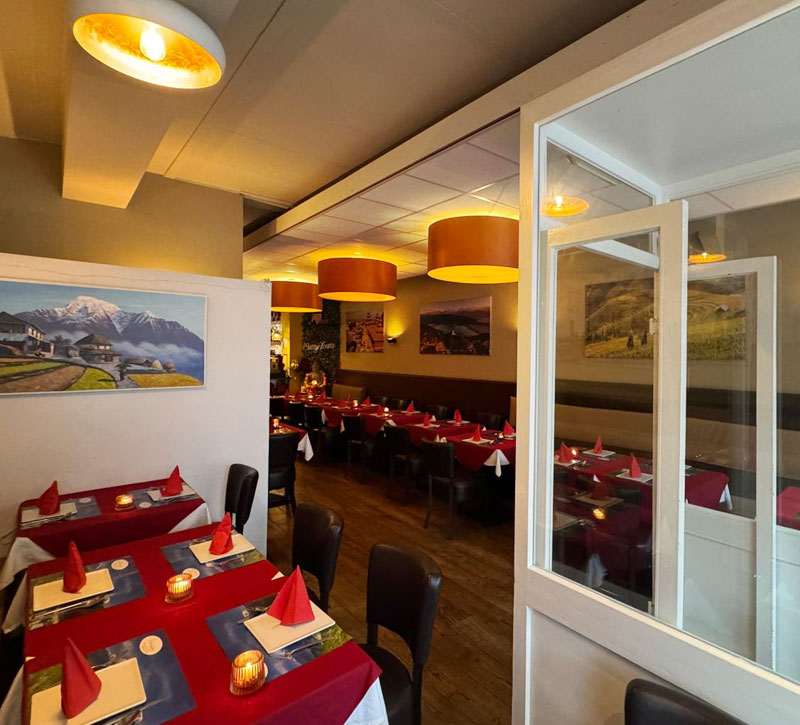
This area favors comfort over spectacle. Restaurants along Overtoom are attuned to the rhythm of travelers who have spent hours on their feet. Service is unhurried, interiors feel warm rather than performative, and meals are designed to restore rather than overwhelm. The atmosphere supports conversation, reflection, and presence. Time feels generous, not scheduled.
In this setting, Annapurna Kitchen fits seamlessly into the evening flow. After a day shaped by thoughtful hotel stays and neighborhood exploration, sitting down here feels natural rather than planned. The experience prioritizes ease—allowing guests to slow their pace, reconnect through conversation, and enjoy food that feels grounding and satisfying.
For couples, the environment is romantic without being formal or restrictive. For solo travelers, it is welcoming without feeling isolating. For families, it remains relaxed and accommodating. This balance makes the experience broadly appealing without losing its sense of calm.
An evening meal at Annapurna Kitchen does not compete with the day’s experiences; it completes them. It brings a sense of resolution to a day spent walking, observing, and transitioning through Amsterdam’s varied neighborhoods. The city fades into the background, and the evening unfolds quietly—exactly as it should.
Ending the Day in Comfort
Amsterdam’s trendy hotels do more than provide a place to sleep—they quietly shape how visitors experience the city from morning to night. Calm starts near Vondelpark encourage unhurried mornings, creative stays in Amsterdam West add texture and curiosity to the afternoon, and residential neighborhoods in the south offer a sense of ease as the day begins to slow. Each location contributes to a rhythm that feels intentional rather than packed.
By evening, that rhythm naturally draws visitors toward Overtoom. Ending the day here feels logical, not planned. The area reflects Amsterdam’s appreciation for balance—active but not loud, connected yet comfortable. After a full day of walking, observing, and transitioning through different neighborhoods, there is little desire for more movement. What feels right instead is to pause.
A well-spent day shaped by thoughtful hotel stays deserves a calm, satisfying conclusion. Sitting down for dinner at Annapurna Kitchen aligns perfectly with that need. The atmosphere supports rest rather than stimulation, allowing conversation to slow and the impressions of the day to settle. It is the kind of place where time stretches gently, without pressure to move on.
In Amsterdam, the best evenings are rarely about doing more. They are about letting the city fade softly into the background—enjoying good food, quiet comfort, and a sense that the day has resolved itself naturally. Ending the evening this way does not add another highlight; it brings everything together.