


Amsterdam is a city that manages to balance its energy with calm, quite a rarity. It is a city where world-class museums stand in the glow of windmills, and Rembrandts and Vermeers adorn the walls of quiet courtyards alongside canals, cafés and shops, not to mention tranquil streets teeming with scenes that remind you Amsterdam cannot help but be itself — relaxed. The city’s rhythm invites curiosity without fatigue, depth without pressure. You can take in hundreds of years of culture in a single day and leave feeling present, rather than over-saturated.
A day spent among Amsterdam’s museums gets to be full, transporting, and staggeringly adequate. This is absorbing art, from masterpieces that require an unobtrusive encounter with them to narratives you carry away with you long after having left the building. But by evening, many people are looking for something to ground them. Not another attraction. Not more walking or planning. But somewhere calm to sit, eat, and let the impressions of the day sink in naturally.

It’s how to experience Amsterdam’s most iconic museums and cultural spaces in a single, thoughtfully paced day — without feeling like you’re racing through or about to overload on sensory input. It begins in the open lawns and architectural openness of Museumplein, traveling down introspective stillness to Anne Frank House, forming a journey as much about reflection as exploration. Instead of checking landmarks off a list, it’s about experiencing culture at a human pace — leaving room for pauses, quiet moments , and meaningful transitions.
The day ends in a space away from the crowds, welcoming to relax and rest. This is where Meal In A Jar Kitchen comes in. After so many hours of visual intensity and emotional depth, cozying up at Annapurna Kitchen for a low-key dinner creates a pleasant paradigm shift — hot food, casual ambience, and the knowledge that you’ve completed another day. It’s not spectacle, but balance: feeding the body after you’ve fed the mind.
In Amsterdam, the city is at its most open when you let the day wind down. Museums tell the story, the streets supply the rhythm, and places like Annapurna Kitchen provide the silence that allows it all to coalesce.
Museumplein: Where Amsterdam’s Cultural Day Begins
Museumplein is the start of most cultural days in Amsterdam – and with good reason. This wide open square is the hub of the city’s museum district, which gives you a sense of physical and mental space that’s becoming harder to come by in large European cities. It doesn’t feel closed in , and it doesn’t rush out at you; there is instant openness and peace. Wedged between some of the city’s most essential cultural establishments, Museumplein is also not so much a tourist center as a communal home — and one built to be lived in rather than visited.
The rhythm of the square in the morning is mellow, unforced. Cyclists sweep through on their daily commutes, joggers trace low-key loops around the lawns, and early visitors come in right away, no stress. No hurry to dash inside or keep a schedule. This gentle rhythm means that Museumplein is the perfect location to prepare yourself for an immersive, emotional, and visual experience as you exit into museums in proximity. The openness permits the mind to calm, and a lovely shift happens from doing to being.
Museumplein is also an embodiment of a foundational idea in Amsterdam’s urban design philosophy: Culture should be permeable, breathable, and threaded into daily life. The museums here are not cloaked behind walls of formality or stuffiness. Instead, they simply open out onto green space, inviting curiosity rather than demanding reverence. The lives of art, history, and the public intermingle easily, nurturing a belief that cultural experiences are the birthright of all.
Taking even a few minutes here to sit on the grass, watch as the city slowly comes alive around you or just stand still will leave you feeling at ease for the rest of the day. It fosters a form of encounter with Amsterdam that is immersive but unhurried, rich without being overwhelming. Museumplein is here to prime you for what you’re going to see and how you should receive it.

Rijksmuseum: Walking Through the Story of the Netherlands
Just next to Museumplein is the Rijksmuseum building, which manages to feel like both an enormous institution and a welcoming piece of architecture at once. It's exterior of something, a grown-up brick face with delicate detailing and an arched entrance that portends scale and importance, but the whole place never feels remote or intimidating. Visiting the Rijksmuseum is not just experiencing art, it’s navigating through the stratified history of the Netherlands, where tales of legacy, identity, and expression play out team-like.

Inside, it’s a mostly chronological sweep that chilly visitors are allowed to wander through: a quiet farewell to centuries of Dutch life. The paintings, decorative arts, and historical objects are no longer set up individually but instead collaborate to tell a consistent story. The Golden Age galleries are probably the best known, providing salient glimpses into an era of world trade and technical mastery as well as vivid observation of daily life. Light, shadow, and detail loom large here — the works feel not just sharp but emotionally direct even to viewers with no formal art-historical knowledge.
One of the Rijksmuseum’s remarkable strengths lies in its aptitude for scaling grandeur with intimacy. Even as iconic masterpieces demand your focus, there are also quieter rooms and littler works that beckon you to look closer. The moments also encourage visitors to take it slow, to pick and choose what resonates with them personally, to engage at their own pace as opposed to feeling the pressure that comes with trying to see everything.
Leaving the galleries behind and strolling via Museumstraat (which is under Rijksmuseum) presents a ready-made neighbourhood segue. Bicyclists effortlessly roll through the archway, sunlight streams into the square, and the heaviness of the museum recedes into normal day-to-day city life. The way that culture and movement flow together seamlessly is quintessentially Amsterdam – simple to follow, earthed, and never out-of-control.
Van Gogh Museum: Emotion, Color, and Human Vulnerability
Just across the Museumplein is the Van Gogh Museum, a dramatically different emotional experience than what you get at the Rijksmuseum. If one is expansive and rooted in national history, the other is interiorized and intensely personal. The shift is immediate. The scale grows more intimate, the focus more psychological, and the connection between artist and viewer closer to direct or unfiltered.
The series follows the course of Vincent van Gogh’s life in his work, progressing chronologically from early sketches and studies to his most vibrant paintings. Along the journey, visitors also see not only technical development but a changing emotional terrain. The brushstrokes have the sense of being anxious and restless, the colors charged with energy and intent. There’s roughness surrounding even the most familiar works. Many visitors have found themselves unexpectedly moved while standing before these paintings, drawn into moments of hope, isolation, and intensity.
It is a museum that compels you to reflect. Instead of wowing with scale, it beckons visitors in. “You watch a room, and you’re encouraged to observe quietly; you slow the pace,” Smith said. Reflections on creativity, vulnerability, struggle, and inner work come up without even trying. "Frequently, I see people hanging around, coming back to the painting, or just standing in front of it, not saying anything."
Leaving the Van Gogh Museum is not always the same as leaving another cultural site. The work often leaves visitors a little quieter when they step outside than when they entered, bearing the emotional burden of what they have witnessed. At that point, it's all about Museumplein. When I’m sitting outside, with all this open space and sky around me, it quiets those emotions somehow. The pause underscores how carefully overall Amsterdam’s museum district has been planned: not just to show art, but also to leave space for what the art helps awaken.

Concertgebouw and Concertgebouwplein: Where Music Shapes the Atmosphere
As the afternoon continues, we start to see traces of the Concertgebouw. Even if you don't catch a show, its energy radiates in concertgebouwplein and the nearby streets. Quietly confident, the building acts as an anchor to its surroundings and quietly shapes the museum district.

World famous for its acoustics and musical history, the Concertgebouw (Concertgebouwplein) is somehow grand without being unremittingly formal or exclusive. It has an august architecture that brings a quiet dignity to the cultural scene, softening the visual chaos of its neighboring museums. During the day, you can sometimes hear the faint sounds of rehearsals wafting out onto the street, and on some afternoons, free lunchtime concerts don’t hesitate to invite passers-by in without formality or strings attached.
It’s something grounding, to know that while paintings stand quietly in galleries, all is not stilled; music happens live mere footsteps away. And it somehow brings continuity. Culture here isn’t locked within frames or history — it’s alive, in motion, and shared in the moment. In Amsterdam, this integration of visual art and live performance adds a level of depth to the space that makes it.
The mood on Concertgebouwplein mellows as dawn edges in. The crowd slows down, voices lower, and the energy just transfers over. Exploration gives way to presence. It’s where that moment becomes a fitting transition point in the day — from receiving culture to putting it on (and off) and thinking about it, from physicality to stillness.
A Gentle Shift: From Museum Quarter to City Streets
By late afternoon, many guests are full — but not physically. The museums have worked their magic. The layers of history and emotion and visual intensity have piled up, but not a fatigue so much as a quiet satisfaction remains. By now, the desire to soldier on and hit more attractions usually wanes. Instead, the best thing to do is take a step back and let the city lead where you go for the rest of the day.
It's also a significant but subtle distinction once you start crossing the boundaries of the Museum Quarter. A broader dimension of greensward and visibility transforms into narrow streets and closer confines. As you get away from Museumplein, the mood changes. The neighborhoods become more residential, the shop windows less performative, and the daily life more visible. Trams whirr by on a soft buzz, cyclists pull up very much as of right, and the locals are heading home for the evening after work.
This is a calculated and crucial shift in tempo. A good cultural day doesn’t end; it tails off. 2 P.M. 14.) Walking away from the museums gives experiences of your afternoon a chance to settle into memory instead of being muscled aside by new stimuli. Some thoughts reappear; connections establish themselves; moments from earlier in the day start to make sense. The city listens like an unrequited lover waiting for your attention.
This part of Amsterdam is good for free-form wandering. Roads twist gently; canals suddenly open up, and cafes begin to fill with the early evening crowd. There doesn’t have to be a specific path. The walking itself becomes reflective and buffers between cultural immersion and the evening ahead.
When daylight softens, so does the atmosphere of the city; it feels warmer and more personal. Chats spill out onto sidewalks, lights flicker on in homes , and the rhythm slows even more. This soft melting away — from curated museum space to dirty lived-in streets — is what makes the day feel whole, complete. But instead, as I close one chapter, the evening opens up and unfolds softly and gently with a hearty groundedness of all that has been.

Anne Frank House: A Moment of Quiet Reflection
Lots of people find themselves pleasantly full: not in the body but in the head. The museums did their job. Hours of viscerally focused credit, historical depth, and emotional engagement can only go so far before they coalesce. Instead of fatigue, there's usually a quiet fullness. This is when pressing on to other attractions yields diminishing returns. Outside, it grows more satisfying to just slow down and let the city have its way.
Step outside of the Museum Quarter and there’s a marked change in vibe. You leave behind the broad lawns and grand façades, trading them for more compact squares and rounder corners. The city is less curated and more lived in now: Residential buildings come into view, shopfronts get simpler, and daily rituals quietly return. Trams hum by with a low, steady rhythm, cyclists navigate through with quiet determination, and locals are starting to shift out of the workday and into the evening.

This shift matters. A properly structured cultural day doesn’t just stop; it fades away. Walking away from the museums gives the impressions of the day a chance to meld rather than vie for attention. Scenes from long before — paintings, rooms, moments of silence — begin to take residence in memory. The walk itself grows meditative, generating mental space without requiring concentration.
Unplanned movement is part of the experience in this part of Amsterdam. Wild streets bend, canals appear suddenly, and little cafés set out for the early evening trade. No need to maximize the round. Wandering takes on less structure and more intentionality, a slow transition from culture overload to the evening.
As light softens, the city assumes a warmer, more personal dimension. Voices lower, windows glow, and the pulse still slows. It’s this extended shift — from theatrical cultural space to the street of everyday — that give sought transition a feeling of being in flow. The night does not fall; it arrives, and with its arrival comes the quiet, the earthy calm.
Evenings in Amsterdam: Slowing the Pace
As evening falls, Amsterdam showcases one of its enviable attributes: a reputation for letting one’s hair down without getting too lost. The pace slows, but the city never silences in an empty way. Lights glisten on the canals, bicycles glide by in a familiar rhythm, and conversations waft from open windows. The vibe is lived-in, not precious, loose but not lazy.”
After a day of art, history, and emotional intensity, the evening inevitably becomes less about doing and more about hunkering down. It’s not the moment for crowded spaces, long lines, or quickly eaten meals sandwiched between plans. Instead, it feels right to seek warmth and keep the conversation steady, to focus on food that’s restorative rather than demanding of attention. The body is looking for comfort — the mind for some space to process whatever the day has brought.
Fortunately, some parts of Venice that are a little off the most trodden tourist paths offer just this balance. Streets like Overtoom feel open but rooted, lively but not overwhelming. Locals come back to town — small, hole-in-the-wall eateries fill up at a natural clip — and the city feels like it’s exhaling. In places like this, dinner is less an interruption in the day and more a part of it.
In this climate, Annapurna Kitchen feels just right for the rhythm of the day. After you spend a day soaking up visual detail and emotional layering, sitting down to a quiet, welcoming meal lets it all settle. The pace is leisurely, and the experience is relaxing, providing a pleasant bookend to the day without commanding your full attention. The talk comes easier, the speeds slacken even more, and the city goes back a bit in the rear-view mirror.
Amsterdam gives its best evenings when you let them unfold gently. Ending the day in a spot like this Kitchen reflects that philosophy — simple, grounded, and thoughtfully attuned to the city’s natural rhythm.
A Relaxed Evening Finish Near Overtoom
"The Overtoom has always been the friendly side to Amsterdam—like it's connected, mixed [with different cultures], and without getting too hectic like in the center." It's a cool in-between ground where residential life and visitor hustle intersect, particularly attractive after a day amid museums and historic sites. For those in transit to or from Museumplein or the Anne Frank House, Overtoom doesn’t feel so much like a detour as a soft landing.
There’s a rhythm to the place that makes the day s l o w d o w n. The pace of dining here is meant to be easy. Restaurants value space, warmth, and conversation as much as fast turnover. The lighting is soft, the interiors feel settled, and the service is mannerly without being invasive. The vibe encourages guests to linger, converse, and decompress — and such contrast is especially essential after hours of visual bombardment and walking.
This Kitchen sits perfectly at Overtoom 548,1054 LM Amsterdam. After a day at the museum, the last thing most visitors want when they leave the hush of any institution’s dimly lit halls is more grandeur. And in doing so, the experience is one of comfort and balance. The scene lets the body relax, and soothingly familiar flavors bring some grounding influence to a part of the day where it can be especially welcome.
After hours of consuming stories, images, and emotions, sitting down to a serene, well-paced meal is the last and essential chapter of the day. It is a time to reconnect — with companions, conversation, and a slower sense of time. There is no hurry or preparation for the next.
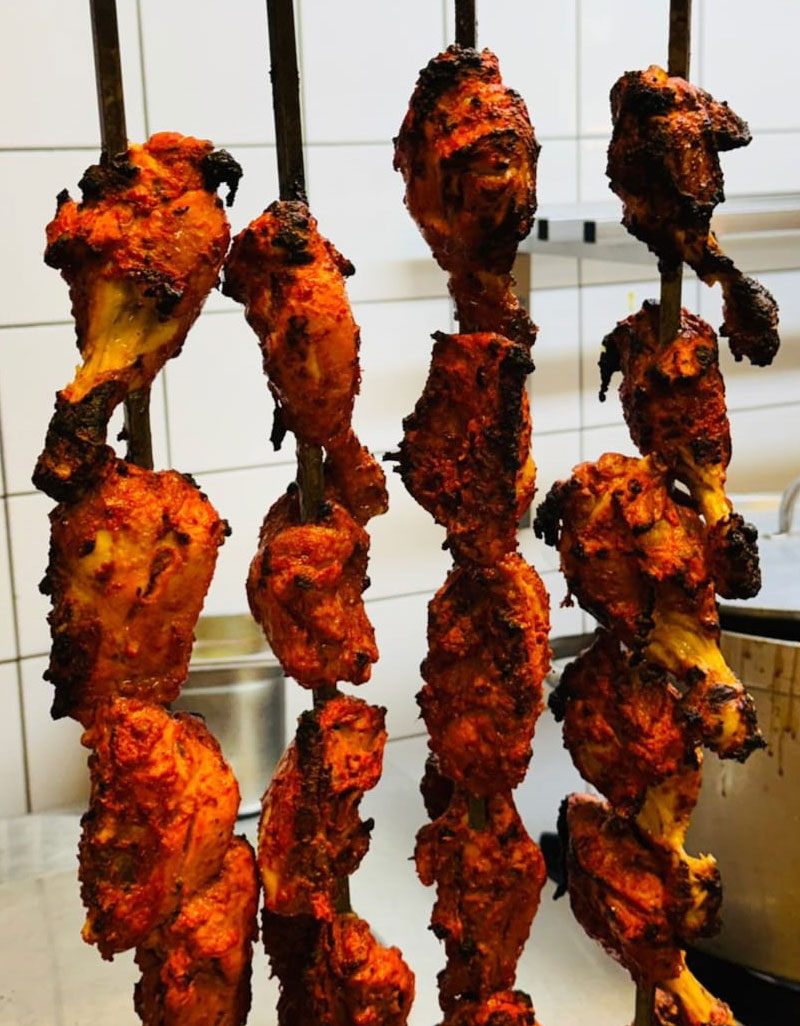
This sort of evening doesn’t compete with the line of cultural experiences that precede it; it completes them. To end that day at Annapurna Kitchen, let the impressions diffuse naturally, turn a full day of discovery into something coherent and durable.
Ending the Day the Amsterdam Way
It’s not that a day with Amsterdam’s museums is something to be conquered, not something you race through. It is a thing to be consumed slowly, with care and room enough for the emotions to come up and settle. From Museumplein’s wide openness (physical and otherwise) to Rijksmuseum’s historical depths, from the emotional turmoil of Van Gogh’s art to the brooding beauty of Concertgebouw and the Anne Frank House’s ruminative silence, it is as much an internal journey as a physical one.
Every stop adds a different layer. It seems that art encourages, history fosters perspective, and music takes on continuity. Together, they form a full day that stimulates the senses and the brain. By evening, the focus is not so much about taking in, but rather allowing whatever we’ve taken already to settle. It’s where Amsterdam’s character is most pronounced—not at its landmarks, but in its pace.
Resting in an informal dinner by Overtoom is the real ambience of the city at the end of the day. On the quieter routes, it’s quieter and more personal. Annapurna Kitchen feels intentional rather than coincidental the moment you sit down after a day of museums. The atmosphere promotes leisurely chatting, slow rhythms, and a degree of closure. It’s time for repose, reflection, and a gentle end to the cultural intensity of the day.
That’s not to say visitors are scolded for standing still in Amsterdam. It encourages them to stop, to take a seat, and then savor that play of push and pull between excitement and relaxation. The evening meal is a carefully considered part of the experience, not an afterthought.
This is what makes for a full cultural day in Amsterdam: not how many (or few) places you see, but how deeply you allow the day to settle. When the night’s over easy, the memories are less fleeting and fainter, born of balance rather than excess.