


Amsterdam is a city that does not spread out before you. It is revealing itself in stages — through movement and pause, through busy squares and quiet corners, through streets that hold moments by way of thoroughfare rather than fixed destination. In order to really know the city, you need to pace it without hurry, but with curiosity and a vigilant gaze. Amsterdam’s squares and plazas function like organic chapters to this journey; each morning or afternoon brings its unique rhythm, atmosphere, and angle.

From grand historic plazas designed for perpetual movement to smaller neighborhood squares more rooted in quotidian life, these public spaces dictate a city’s feel at various hours of the day. They don’t just impact where visitors go; they also shape how fast people can slow down. Perhaps as importantly, they show how a day in Amsterdam ought to conclude: not frantically or exhausted but comfortable, warm, and easy. In these little ways, the city whispers: Pause — take a seat, give your mood to me, and watch how I reflect it.
This tour follows the natural rhythm of Amsterdam, passing through some of its most characteristic squares and streets from a high-energy morning to a more relaxed evening. The day is dominated by atmosphere and not so much schedule – it’s just a pretty way to LIVE! Each transition — from openness to intimacy, activity to stillness — accrues toward an ending that feels earned rather than imposed.
As night falls, that rhythm is ultimately celebrated in a laid-back setting. Even in the evening, to experience Amsterdam at its best, you are seated, relaxed and well fed by nightfall — in this case with a meal from Annapurna Kitchen. And after a day spent pacing and looking, it will be a restful meal at which you can put memory to body, and turn the city into something discreetly finished.
Dam Square: Where the City Begins
All paths through Amsterdam eventually converge, one way or another, on Dam Square. It is the symbolic heart of the city, a site where the past, passage , and modern life intersect in plain sight. Here we stand, and you can feel the pulse of the city. Trams trundle by in a metronomic march, conversations meld to a voice cacophony in dozens of languages, and the steady stream of human traffic gives this sense of arrival an immediate, enduring quality.
Dam Square was always a place to come together, and it is now. Its broad, open design is intended to create a place where people can linger and look around, even as they find their bearings. Tourists tarry, street performers gather humble crowds , and local workers pass with practiced legs. The architecture that surrounds it is centuries in the making, a conglomeration of buildings whose design has been shaped by royal prerogative, trade, and civic life. But despite this many-layered past, the weight never feels heavy. It is still bustling without being oppressive, energetic, and not crossing over into chaos.
It helps set the right tone for exploration to start a day here. Dam Square is not a course, nor is it an agenda. Instead, it offers a possibility. It’s a subtle little nudge that conveys the message, Amsterdam isn’t somewhere to be consumed to land up anywhere or do anything quickly; it’s somewhere to be savoured. Daily life plays out in real time — shops are opening, cafés filling up, trams arriving and departing — making it seem that the city is alive and changing rather than preserved or staged.
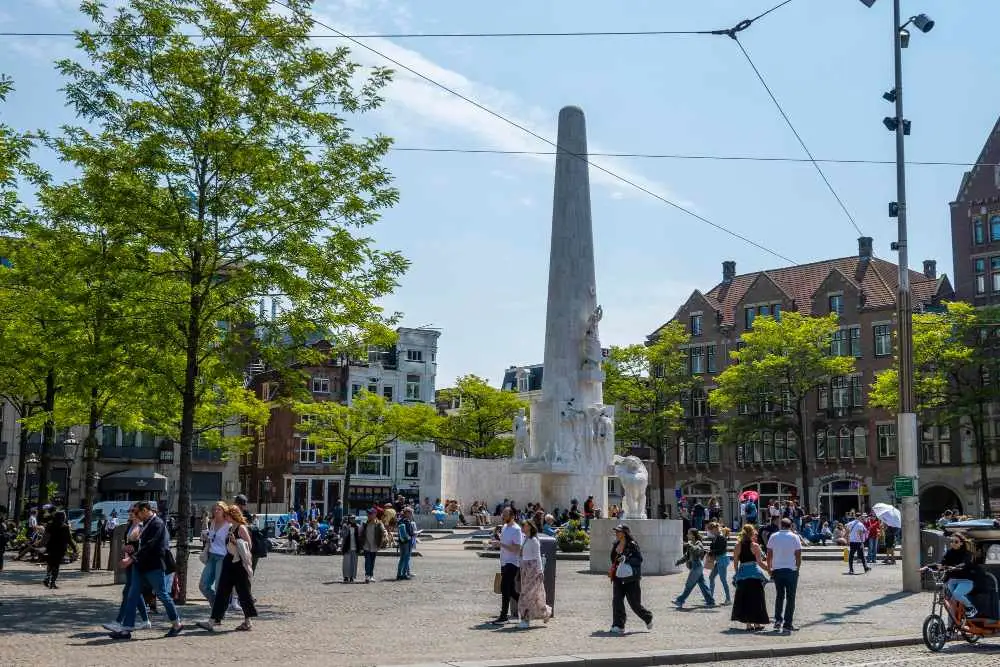
From Dam Square, streets glow outward like parallel narratives seeking to be pursued. Some lead to famous landmarks and cultural institutions, others to less busy canals and residential neighborhoods. There is no right way, there’s just the way we choose. The wonder in beginning here is in that freedom: the knowledge that each path carries its local version of the city, and none of them come with an expiration date. Dam Square doesn’t start the day — it opens it.
Spui and Weteringmarkt: Thoughtful Corners of the City
The intensity of Dam Square fades away, and the city starts to mellow at Spui. You notice the difference almost right away. The noise dies down, the action eases, and fleets become more contemplative. Spui (square) has long been a hub of ideas, conversation, and creativity, its streetscapes shaped by bookstores and cafés and the university buildings that surround it. Instead of drawing eyes in motion, it aims to prompt people to stay and sit and contemplate — at least internally, if not visibly.
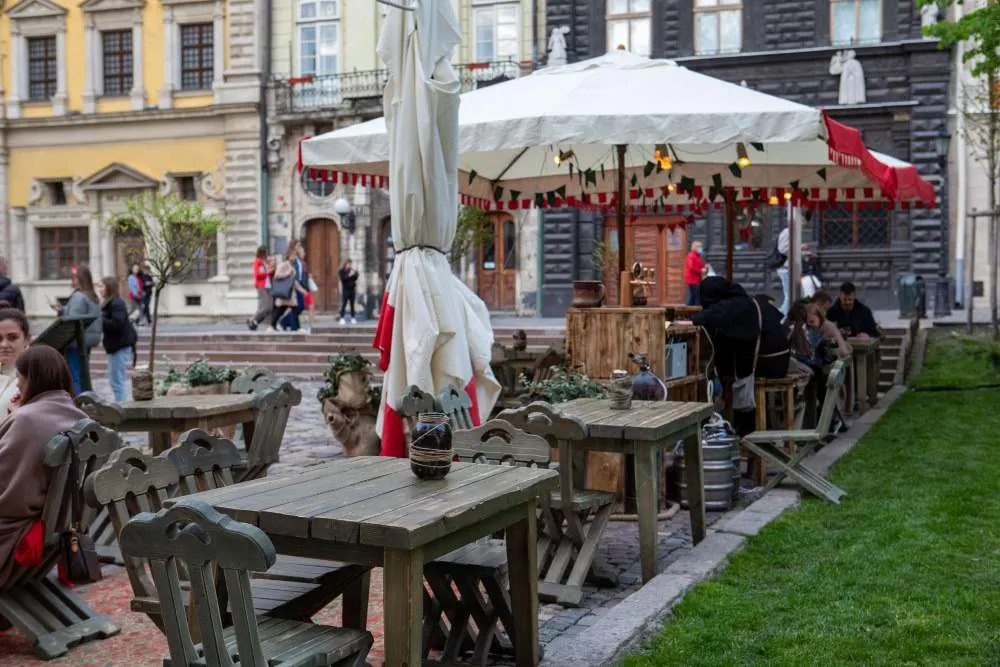
Spui feels distinctly conversational. Visitors linger and settle down with coffee; pages are turned slowly as soft discussions ebb away, without exigency. There is no performance or obligation. This is a square built for watching, one where observing others think, read, and talk seems as gratifying as thinking, reading, or talking yourself. Time behaves differently here. Minutes seem to stretch, and the city seems more ponderous than exuberant. The pause is intentional, not accidental.
Not far away, Weteringmarkt is even quieter by contrast. It doesn’t have the name recognition of Amsterdam’s most famous squares, but in that very omission lies its character. There are no sights to beckon you, no mobs gathering for a photo op. Rather, the square feels local and lived-in. People just pass through on their way to the things they have to do — walking dogs, running errands, going home. The square is there to be used, not gazed upon.
That simplicity is a background for the rhythm of everyday existence in Amsterdam. Spectacle suspended, small details came into focus: The cadence of foot traffic on the sidewalk, quick hellos exchanged in passing, how light falls upon familiar buildings. Weteringmarkt is a reminder to visitors that most of the city’s identity exists beyond curated experiences.
Spui and Weteringmarkt are taken together, a significant leg of the journey. They represent a shift from grandiose gestures to intimate experiences, from action-packed to contemplative stimulation. In the process, they underscore an important fact about Amsterdam: discovery matters, but so does calmness — and the city has room for both.
Rembrandtplein and Leidseplein: Where Energy Takes Over
By day, the pulse in Amsterdam starts to quicken again around Rembrandtplein and Leidseplein. Following those more contemplative lulls of the afternoon, these squares bring movement, sound, and social life back in. By the time evening falls, there is already a sort of momentum, a feeling that something – something rowdier maybe even than this – is about to happen.
Rembrandtplein feels openly expressive. Street artists easily convene, terraces swell by lapping swells, and laughter crosses open spaces with ease. The square is open, in the outgoing sense, created by interaction and spontaneity rather than structure. Here, people gather and linger, losing track of the time. It’s a site where the city’s social persona takes center stage, inviting visitors to participate rather than observe. Energy feels shared, not overpowering — lively but accessible.
A short walk away, Leidseplein is similar in spirit, if slightly more raw. Traditionally associated with entertainment, music, and nightlife, it buzzes with anticipation as early evening approaches. The square is lined by theaters, live music spots, and cafés; the scene is electric with potential. Spend time scrolling through distractions goading you, and conversations seem louder, movement faster, and attention more outward. Here, it’s almost like nightfall on the city gets some pregame.
Rembrandtplein and Leidseplein represent the climax of the day’s extraneous energy. They are lively, exciting places that have momentum and life. But they are also a signpost. After taking in this level of stimulation, quite a few visitors start to sense an instinctive pull in the opposite direction — toward quieter streets, slower pace, and fewer demands on their senses.
Amsterdam understands this rhythm intuitively. Just past these boisterous squares, an endless array of side streets and residential ways burrows below the hubbub. The city lets energy rise, crest, and then ease gently, giving way to a quieter close of the day.
Frederik Hendrikplantsoen and Bos en Lommerweg (near): Everyday Amsterdam
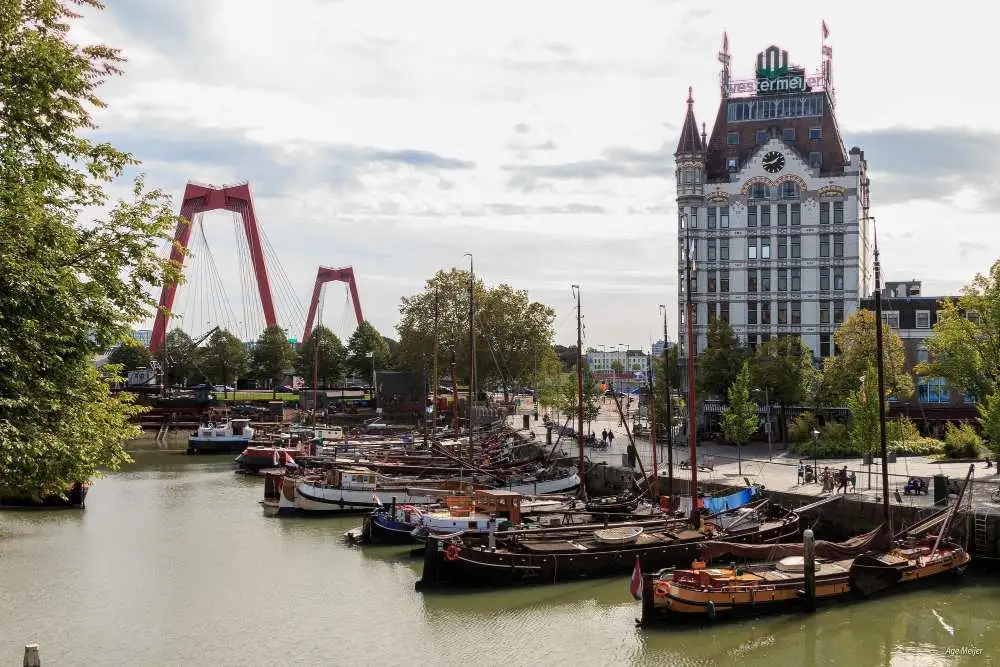
Further west, the city slips into a milder pace by Frederik Hendrikplantsoen. It's a subtle but undeniable shift. Traffic dissipates, sounds mellow, and the air feels more earthy. This green space isn’t calling attention to itself as a destination; it seems quietly part of everyday life. More importantly, it’s a reminder that Amsterdam isn’t just for out-of-towners visiting landmarks, but for people who live here and sit down for a soda back home.
Here, there is no way without trying. D1 Bench seating, kids playing, and neighbours exchanging friendly hellos are all par for the course. No one is in a hurry to rush on or see more. “In one way we actually spend more money,” van der Woude said, “but you just don’t see it on the street.” It’s a park for people and use, not spectacle or performance. That ordinariness is also what makes it restorative. After so many hours of stimulus elsewhere, the simplicity comes across as deliberate and necessary.
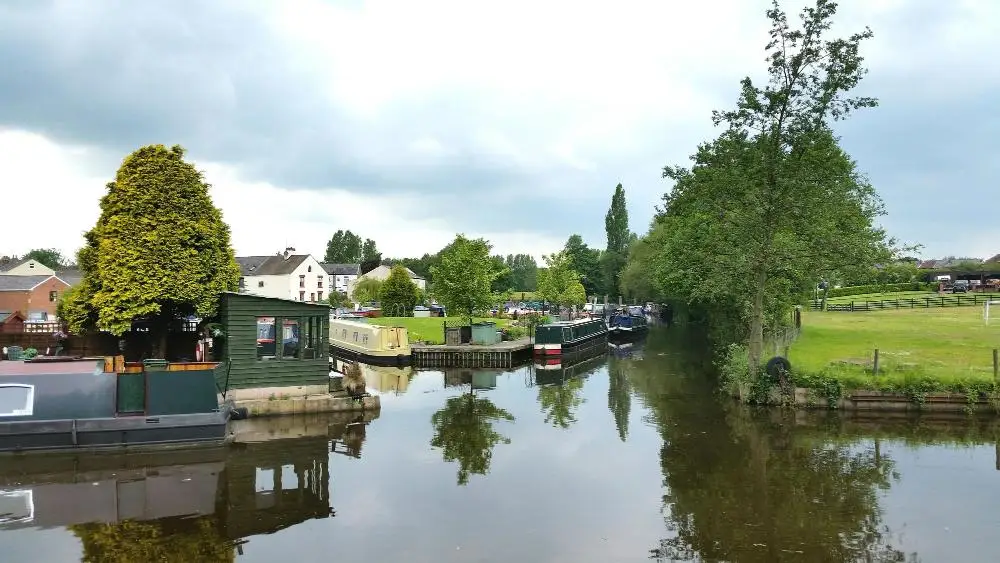
Nearby, Bos en Lommerweg carries on the everyday feeling. The street has a no-nonsense, workaday feel that is informed by mom-and-pop stores and the daily bustle of people on foot. Conversations occur en passant rather than lingering, and the city emerges in functional pieces rather than staged scenes. There are fewer clues for visitors and more signs of things ticking along as normal — groceries being taken home, coming and going through doors, brief catch-ups between people who know each other.
To walk around this part of the city is a modest pleasure: a chance to see Amsterdam function beyond postcards and guidebook lists. Unburdened by the need to see or record, attention naturally turns inward. The mind quiets, thoughts slow down, and the earlier impressions take shape in a more crystallized form. The city no longer demands attention; it just happens with you.
These neighborhoods offer an important correction. After the stimulation of central squares and cultural icons, they are places for recovery rather than discovery. And they ready us for the evening’s last phase — a time of less exploration, and more comfort. Before I know it, the progression is done by evening. The city has slowly reeled you in from intensity to ease, and the day has become quite natural at its close — rooted, unforced.
Mercatorplein and Surinameplein: Character and Community
The Mercatorplein is known for its strikingly strong architectural character and remarkable identity. Because the square was designed with purpose, not convenience, it feels whole and self-contained and embodies an era when public spaces were shaped thoughtfully to form the life of a community. The other buildings in the neighborhood frame the square in an almost perfect symmetry, which makes it appear as if designed for eternity. Nothing here feels accidental. The layout is open but not rolled over, giving the space stability and making it feel comforting.
Its character is defined most obviously by its communal aspect. People come and go, as part of their daily routines, but others stay. Bench conversations hang in the air, bicycles are draped against railings, and stillness blends comfortably with flux. It's somnolent and unforced, but it plays its part as a communal space in understated fashion. It is an intersection, a rest, and a connection — an urban design that shows how public life can be supported without being forced.
In the center of this area is Surinameplein, a place defined by movement more than it is by symmetry. It serves as a gate between communities, drawing inspiration from all sides. Traffic passes, there are pedestrians, and cultures intersect in everyday life. The mood here is in transition, not anarchy. Instead, it has a relentless energy that mirrors the city’s perennial state of flux and exchange.
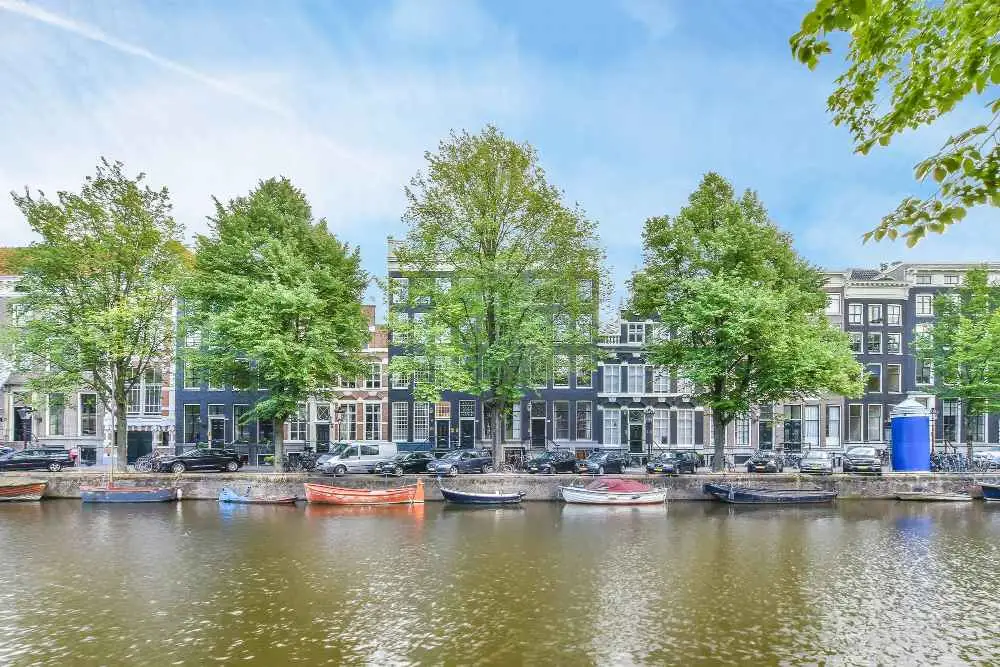
And there’s a sense of vibrancy in Surinameplein, due to the diversity of it. There is overlap in languages, routines vary, and identities coexist harmoniously. It is a loser Amsterdam, one developed by migration, adjustment, and togetherness. If Mercatorplein (square) feels settled and grounded, Surinameplein (edge) feels open and in flux, shaped as much by what moves through as by what stays.
In concert, Mercatorplein and Surinameplein both demonstrate how Amsterdam evolves, the farther from the city center one travels. They offer a vision of the city balancing design, diversity, and daily life without spectacle as its crutch. These are purposeful spaces without being formal, lively without being overwhelming. They depict an Amsterdam that is proud of its neighborhoods, comfortable with complexity, and deeply steeped in the conviction that a city works best when public spaces are designed around the people who use them every day.
Stadionplein: Space to Breathe
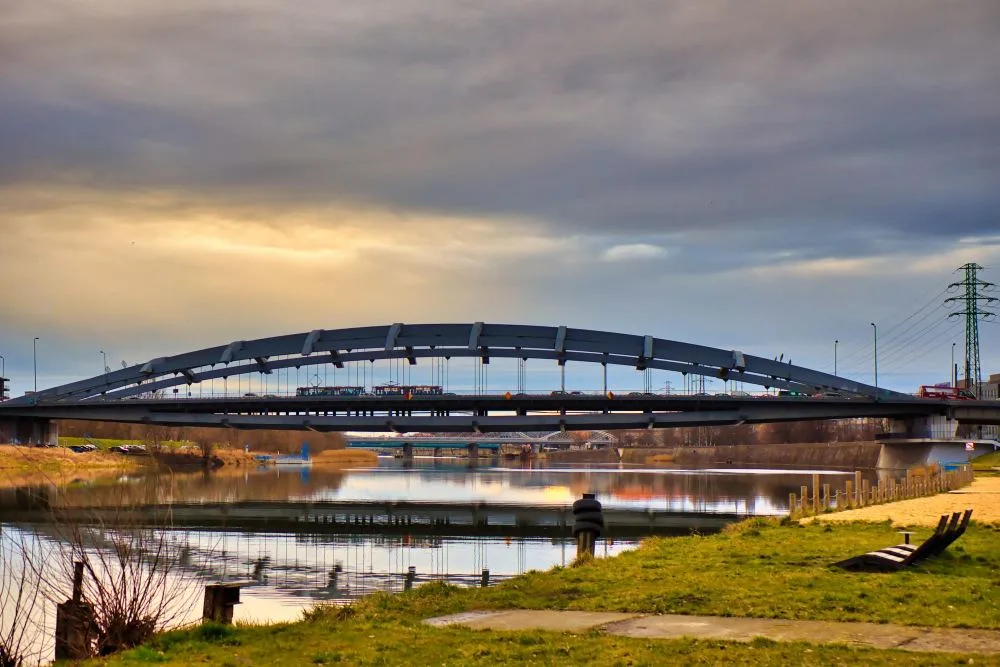
Having reached Stadionplein after leaving Stadshart, the city finally starts to physically unfold. Streets get wider, sight lines extend further, and the built environment feels less crowded. A change of scale introduces an instant sense of relief. Hours spent navigating narrow streets and busy squares, Stadionplein provides perspective — in its openness literally and, figuratively, through the pause it marks in the day.
There, the movement just happened without much struggle. Things start to quiet down, footfalls become less intentional, and room is opened up for stray thoughts rather than concentration. The air is lighter, the sound more diffused. No more moving through crowds and being stimulated 24/7. Instead, there is a general allowance to stop striving and simply dwell in the present.
It's a liberty that feels decidedly fresh after negotiating the narrow lanes and culture-filled quarters from earlier in the day. Stadionplein doesn’t need to fight for attention. It does not want to be examined, understood, or known through history. The value of this time is in all the things it gives us, physically and psychologically: breathing that room to stretch the day a little further, and also for thinking about what you’ve lived through. This is where the body softens, and the mind slows its pace.
The space has a constructed sense of transition, too. Stadionplein does not seem quite central, nor fully residential. It's in the state of being, on the threshold. You feel back on your feet here, so it soon becomes apparent that the hardest part of the route for activity has been done. The urgency of the quest recedes, replaced by a more subdued sensation of time and motion.
So Stadionplein is a breather before the final round. It primes visitors for a different sort of evening, slower and warmer and more inward-turned. The city is no longer being revealed through landmarks or chance encounters, but through atmosphere and ease. This break in honesty is what keeps the day from stopping. Instead, it gently tapers it so that the move into evening feels organic, rooted, and whole.
Streets That Connect It All: The Role of Overtoom
The squares in Amsterdam bear stoically distinct identities, but it’s the streets between them that bring the city together. They are the flow, progression, and context. There are streets like Overtoom — a plain connector, silently bridging neighborhoods and moods and hours without anything to prove or any yield to cede. It presents itself as no destination, yet it plays a huge role in how we experience the city.
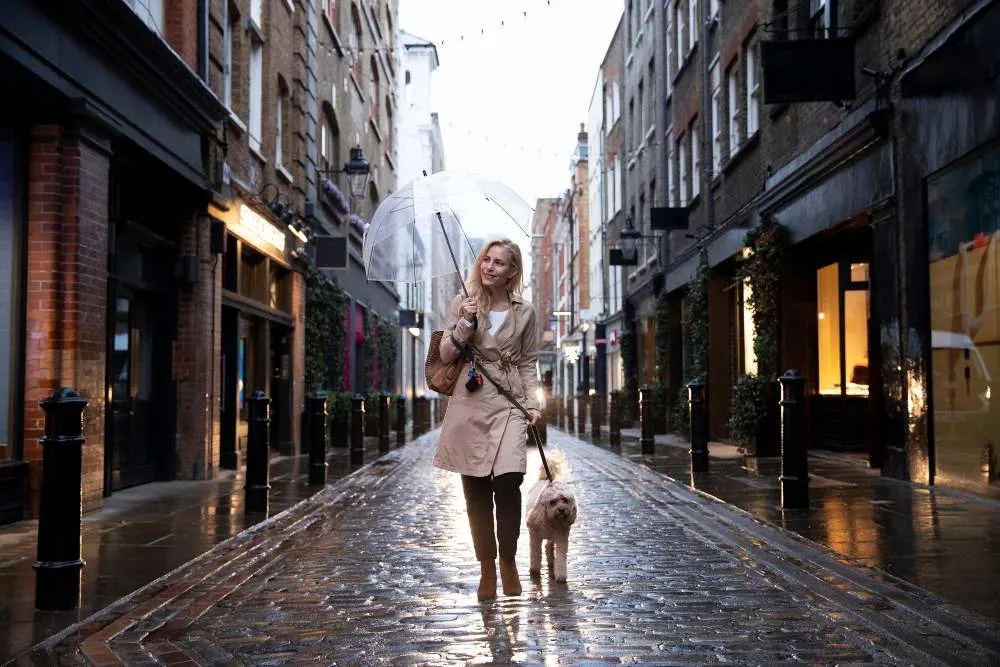
Limned by the museum district and reaching into more residential territory, Overtoom sops up energy from a few disparate sectors of the city and sorts them equally throughout. It works for a purpose by day. Its personality softens later in the evening, however. Trams trundle by, shop lights emit a warm glow, and the street has a rhythm that feels welcoming rather than hectic.
As the daylight fades, Overtoom shifts from a street of transition to one of arrival. They are no longer using it as a place they cross to get somewhere else; they are deciding to stay nearby. In the city, residents return home, small restaurants fill slowly, and talks replace footstep sounds as dominant. The street is bustling but not overly so. It’s connected but not crowded, urban but not hectic.
It is this balance that makes Overtoom such a great spot to round off a day of walking. The body simply wants to rest after a day of visual intake, cultural immersion and physical exercise. Not silence, but calm. Not isolation, but ease. Overtoom offers that invitation effortlessly. It’s a nice, neat closure to the day without truncating it, the energy tapering off rather than stopping.
For a city like Amsterdam, streets such as Overtoom are crucial. They make the city feel perpetually joined up, never divided into highlights and gaps. Instead, it all cohered — morning to evening, center to neighborhood, intensity to repose. When you walk here at the end of a day, travel doesn’t seem like so much movement as settling in, which is just how Amsterdam likes to be experienced.
A Relaxed Evening Finish Near Overtoom
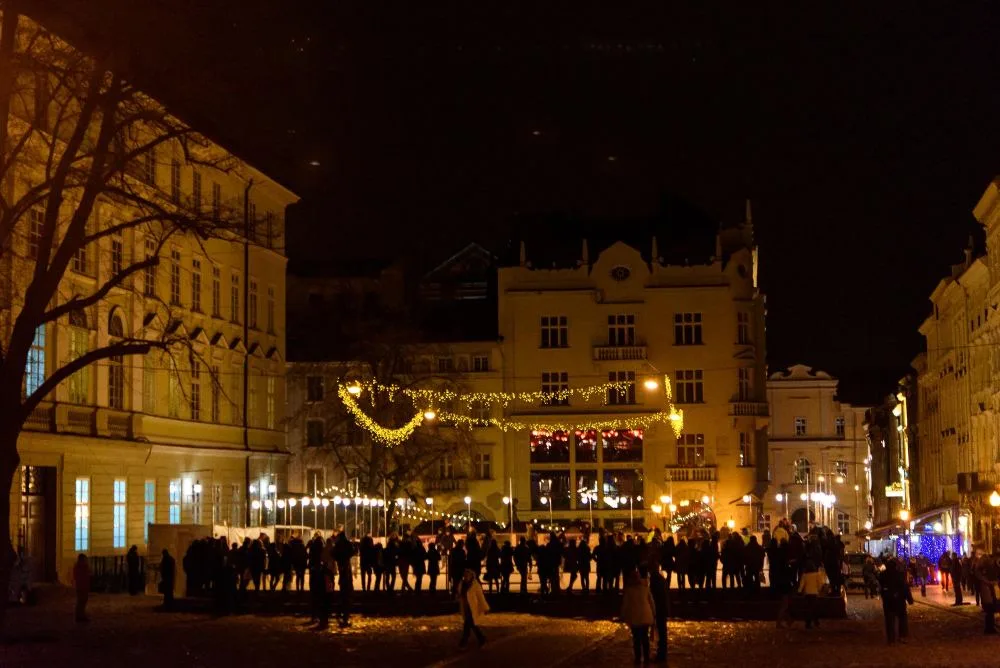
And after walking around Amsterdam’s squares — in the grandeur of Dam Square, in the neighborhood warmth of Mercatorplein, and others — what usually lingers is straightforward longing: to sit down and be taken care of. Not rushed. Not overwhelmed. Just comfortable. After a long day of walking, watching, and taking in stories, the desire is for comfort rather than stimulation.
Just a few minutes' walk from Overtoom 548, 1054 LM Amsterdam, we reach one such conclusion. The place is designed for pausing, not departing; conversing, not averting. It seems just right to visitors whose day has been spent on foot and amid shifting rhythms and emotional landscapes. The restaurants in this city are not designed for spectacle; they are constructed for slouching down and recovering, reflecting, being peaceful.
Here, Annapurna Kitchen slots nicely into the arc of the evening. And the vibe is cozy and easy. Lighting is soft, service feels intimate, and the experience is grounding rather than overwhelming. It’s that kind of place where the body finally can rest, and a mind can slow down without trying.
On a day of constant motion — between squares, streets, and neighborhoods — this pause for silence is significant. For the city to make itself at home with itself, sitting down is what it’s all about. Talk is natural and at a leisurely pace. The day's impressions coalesce as you see how the various places fit together and make a memory instead of a list of stops.
Evenings That Complete the Journey
Amsterdam’s truest colors appear by contrast. Noisy squares make silent streets seem safer. Dancing plazas heighten the joy of an easy night. A day of movement through the city’s public places has a meaning less in its accumulation than in how it concludes, with thought. The rhythm is as important as the route.
From Dam Square’s ceaseless bustle to the contemplative corners of Spui, from Rembrandtplein’s raucous thrum to the grounded peace of Frederik Hendrikplantsoen, each square strikes a particular chord. None stands alone. As a collection, they are a sequence that feels by design —active without being excessive, immersive, without any fatigue. The city is an early stimulation with release gradually offered.
As the time of day progresses, the focus moves from vision to feeling. Movement gives way to presence. Observation becomes reflection. This handoff is not an accident; it’s hard-wired into the city. Amsterdam gets that cultural intensity requires its counterweight, and the most profound impressions are often made in a meditative pause.
It feels like a fitting place to end the day by focusing on Overtoom. Separated from the loudest corridors yet fully connected, the area provides tranquillity without being isolating. It is where the city exhales. Deciding to stick around here fits in with Amsterdam’s taste for gently rather than loudly unfurling evenings.
Here, Annapurna Kitchen is a natural soothing end to the day. After hours on foot, in taking in so much history and moving among shifting energies, there is a sense of centering to sitting down with a warm meal that unfolds at its own pace. The emphasis is on comfort and conversation, on letting the impressions of the day have their say rather than compete for attention. The experience is restorative, not interruptive — an ending that suits everything that has come before it.
This is how Amsterdam should be experienced, not all at once, not in a hurry, but slowly. One square gives way to the next, one street eases into the next, one evening sets the whole journey back in equilibrium.